The Power Law of Adventurers
Insights from Fabrica Ventures Team.

Venture Capital: 400 Years of Adventurers
October 30, 2026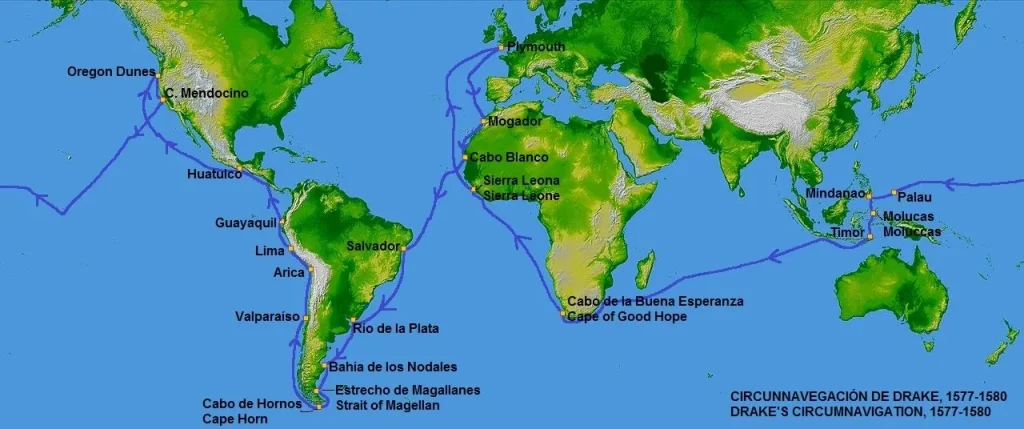
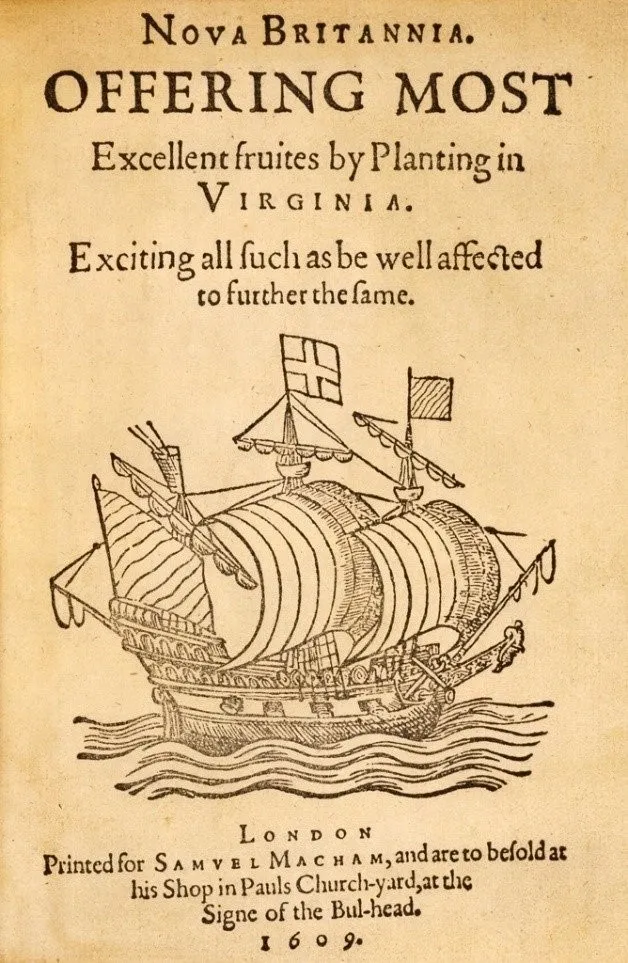
My previous post, Venture Capital: 400 Years of Adventurers, explored the foundations of modern venture capital in the early seventeenth century, when investors financed risky overseas expeditions through ventures such as the Virginia Company of London.
I received some interesting comments, particularly one intriguing question: were these early ventures already governed by the power law?
As discussed, the Pilgrims’ expedition was effectively a write-off for its investors. And, with the benefit of hindsight, we should expect many such failures. The risks were enormous: hostile encounters with Indigenous populations, pirates, unpredictable weather, diseases, shipwrecks, and countless other hazards.
Many of the principles of modern VC were already present: risk pooling, active management, limited downside, and profit sharing. But what about asymmetric returns?
After all, the power law is not simply about a high failure rate. It is about a handful of extraordinary winners generating returns large enough to more than compensate for the losses of the many.
But were there overseas expeditions that delivered extraordinary returns, comparable to the outliers we see in VC today?
The answer is yes. And some of those returns were extraordinary, even by today’s VC standards.
One particularly remarkable and well-documented example is Sir Francis Drake’s circumnavigation of the globe between 1577 and 1580, several decades before the establishment of the Virginia Company.
One important distinction here: much of Drake’s profit came from capturing Spanish ships and treasure, rather than creating new commercial enterprises. His expeditions were closer to state-sponsored privateering than modern venture investing.
* Initial investment: £5,000
* Value of treasure returned: £600,000
* Reported investor return: ~47x
* Investor profit: ~4,600%
* Duration: less than 3 years
* Annualized investor return: ~300%
Conclusion
The Virginia Company ultimately failed as a financial investment. Yet the settlements it helped establish laid the foundations for something far more valuable.
The greatest economic value was not captured by the original investors, but created over the generations that followed.
There is a fascinating parallel with modern late-stage VC: early investors take enormous risks, but much of the value creation may still lie ahead, offering extraordinary opportunities for investors who enter at later stages.
And what began as a highly speculative venture eventually contributed to the emergence of the United States, one of the greatest engines of wealth creation in human history.