How to Control Enterprise AI Roadmaps
Insights from Fabrica Ventures Team.

All Waters Run to the Sea
February 22, 2026
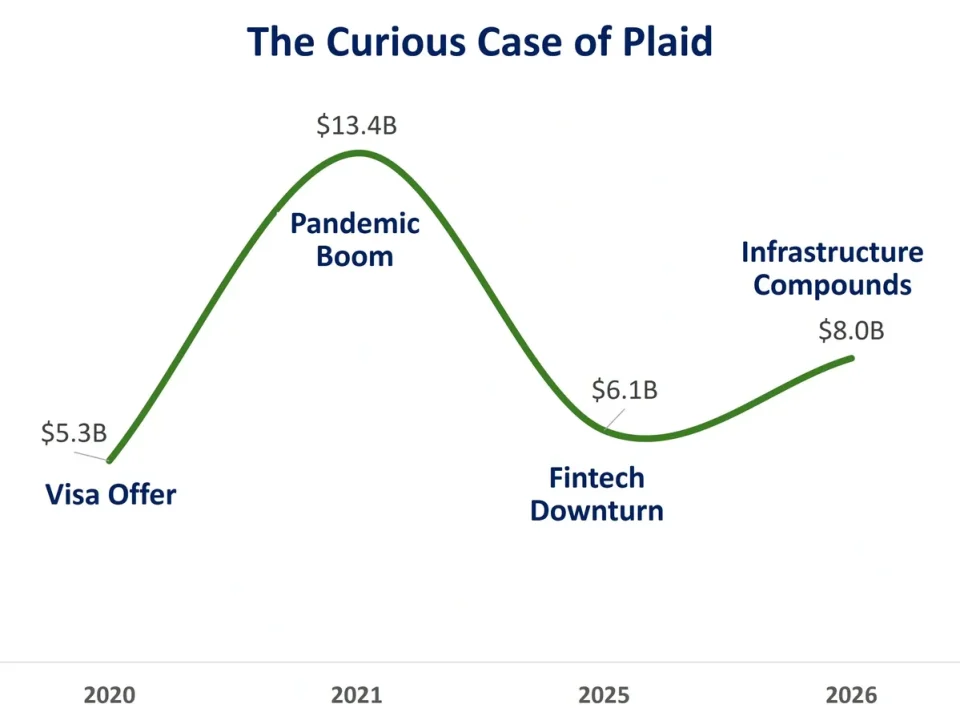
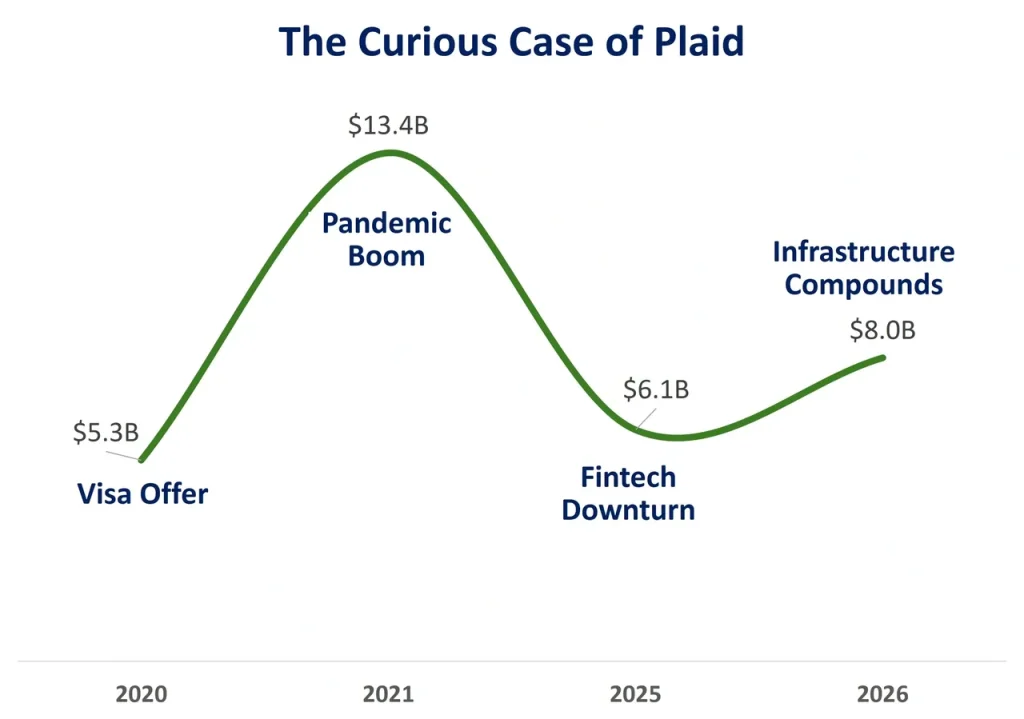
The Curious Case of Plaid’s Journey
March 6, 2026
I remain very keen on management consulting — after all, I worked in the sector for 25 years and built strong, lasting friendships along the way.
That’s why it caught my attention that this week OpenAI (following in Anthropic’s footsteps) announced Frontier Alliances, signing multi-year enterprise partnerships with BCG, McKinsey, Accenture, and Capgemini.
OpenAI recently introduced Frontier, a platform for building, deploying, and managing AI coworkers. As the company stated in its announcement: “Frontier provides the technical foundation. But making real impact with AI also requires leadership alignment, workflow redesign, integration across systems and data, as well as the kind of change management that drives adoption”.
Naturally, this creates a clear role for management consulting — to orchestrate enterprise transformation around AI. And, as several of the consulting partners emphasized — in language that will sound comfortably familiar to anyone who has spent time in the industry — “Business leaders face unprecedented challenges in capturing value from agentic AI. To scale, they must rewire their businesses, reimagine domains, and evolve how their people work, build capabilities, and lead change”.
Consulting firms influence enormous pools of transformation spending. They determine which vendors make the cut, guide core architecture choices, etc. Enterprise AI adoption has been slow — not only because corporations move cautiously, but also because “unclear ROI” has been a convenient refrain.
I recently spoke with an S&P 500 executive tasked with presenting an AI strategy to the board. The initial proposal centered on launching an internal AI training program. My instinct was different: rather than starting with training, deploy an enterprise AI search layer — such as Glean — to capture value immediately. No heavy change program required; employees continue working in their browsers, but productivity compounds from day one.
The strategic necessity of LLMs has now become self-evident. As organizations hardwire these models into formal strategy mandates, experimentation evolves into institutional policy. Once embedded in processes and governance, reversal becomes politically difficult and operationally expensive.
Conclusion
OpenAI and Anthropic are institutionalizing enterprise distribution through the consulting channel.
The enterprise AI market has become a race against time: secure the management consultant channel, and you shape the roadmap. This is less about whose model benchmarks slightly higher — and more about who embeds themselves first into the operating system of corporate change.